

Introduction:
Residential care for chronically injured individuals is a crucial aspect of healthcare that often requires specialized attention. Many of these individuals are unable to carry out daily activities independently and rely on caregivers for assistance with their basic needs. While daytime care is well-established, there is a compelling case for extending 1-to-1 attendant care even during sleeping hours. In this article, we will explore the reasons why round-the-clock, one-on-one attendant care is essential for the well-being and quality of life of these individuals.

1. Safety and Emergency Response
Perhaps the most critical reason for 24/7 1-to-1 attendant care in residential settings is safety. Chronically injured individuals may experience unexpected complications during their sleep, such as seizures, respiratory distress, or sudden changes in vital signs. Having a dedicated attendant on hand ensures immediate response to emergencies. This swift action can be the difference between life and death in critical situations.
2. Medication Management
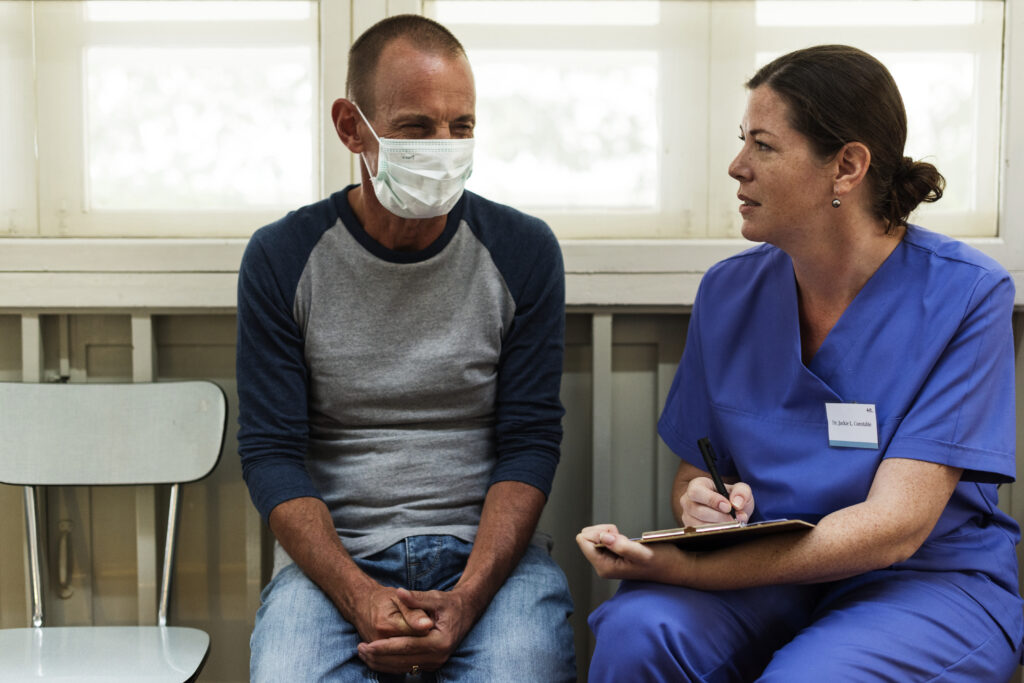
Many individuals with chronic injuries rely on medications to manage pain, control muscle spasms, or prevent infections. Accurate and timely medication administration is vital for maintaining their health and preventing potential complications. Caregivers who are present during sleeping hours can ensure that medications are administered as prescribed, minimizing the risk of missed doses or overdosing.

3. Preventing Pressure Sores and Positioning
For individuals with limited mobility, the risk of developing pressure sores (bedsores) is a constant concern. Regular repositioning is necessary to relieve pressure on specific body areas and prevent these painful and potentially life-threatening sores. A dedicated caregiver can monitor the individual’s positioning throughout the night, ensuring that they are comfortable and well-supported.
4. Monitoring Respiratory Function
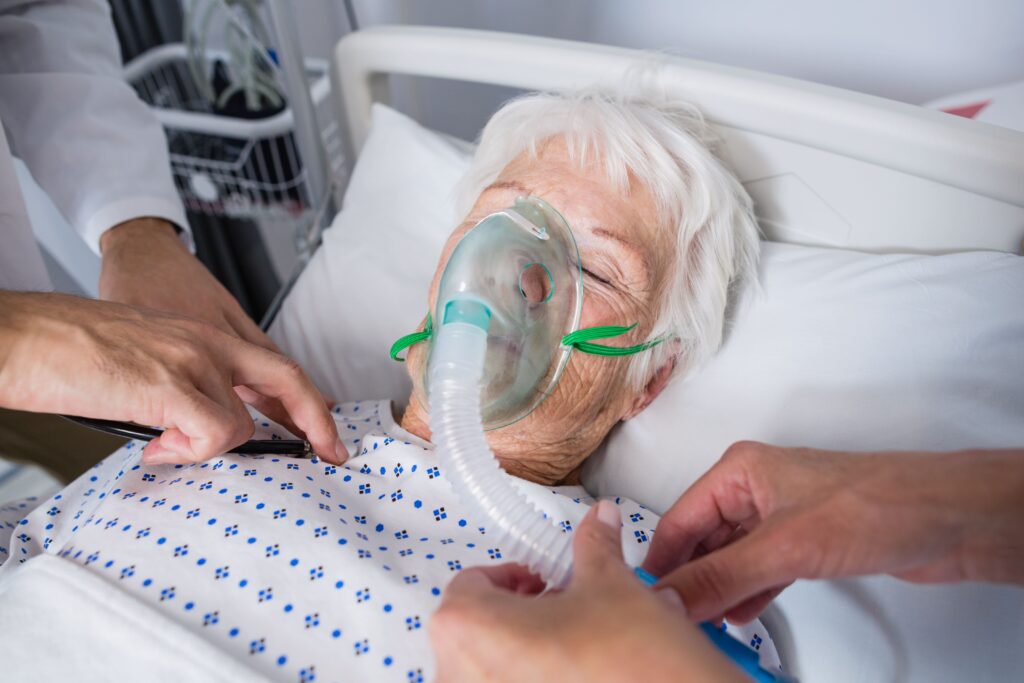
Some chronically injured individuals require assistance with respiratory functions due to paralysis or weakened respiratory muscles. Continuous monitoring of breathing and oxygen levels during sleep is crucial for their safety. A 1-to-1 caregiver can respond immediately to any breathing difficulties, ensuring the individual receives prompt assistance or medical intervention as needed.

5. Psychological Support
Living with a chronic injury can take a toll on an individual’s mental and emotional well-being. Feelings of isolation, anxiety, and depression can be exacerbated during nighttime hours when they are left alone. Having a caregiver present provides emotional support, reduces feelings of loneliness, and promotes a sense of security, contributing to improved mental health.

6. Personalized Care and Comfort
Each individual with a chronic injury has unique needs and preferences. Having a dedicated caregiver throughout the night allows for personalized care that caters to these specific requirements. Whether it’s adjusting pillows, changing positions, or providing comfort items, the caregiver can tailor their support to enhance the individual’s overall comfort and quality of sleep.
7. Enhancing Quality of Life
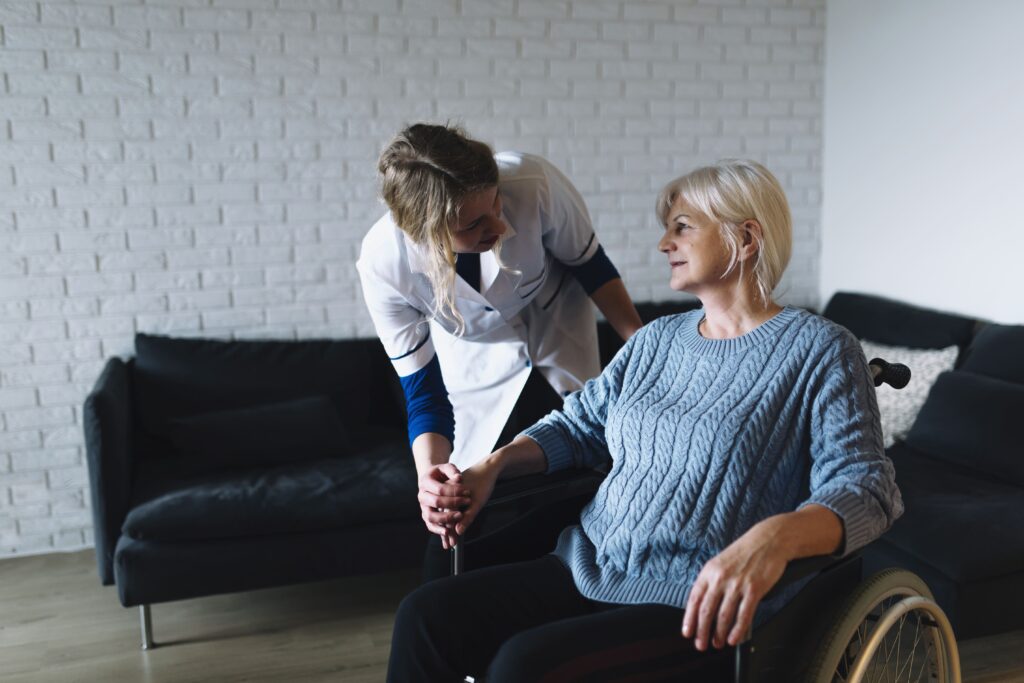
Ultimately, the goal of residential care for chronically injured individuals is to improve their overall quality of life. A 1-to-1 caregiver during sleeping hours ensures that the individual’s needs are consistently met, reducing the risk of complications, promoting well-being, and enhancing their overall quality of life.
Our Article Conclusion…
The case for 24/7 1-to-1 attendant care in residential settings for chronically injured individuals during sleeping hours is compelling. It is not merely a matter of convenience but rather a crucial element in ensuring their safety, health, and well-being. This level of care helps prevent emergencies, manage medications, alleviate discomfort, and provide psychological support. Ultimately, it enhances their quality of life and empowers them to lead as fulfilling a life as possible despite their injuries. Therefore, healthcare systems and providers should prioritize and invest in this level of care to ensure that every individual with a chronic injury receives the attention and support they deserve.